27/08/2026
Overconsumption has been chosen by press the word of year 2025 for a good reason. This consumption trend is not new and it seems it will stay with us for some time. Studies associate it with higher-income countries, where in 2020 material footprint was six times higher than in lower-income countries. This consumption trend is visible in every sector, not only electrical appliances and textiles. In the case of photovoltaics (PV), the IEA-PVPS Task 12 reported 58,504 tonnes of end-of-life photovoltaic-module waste were formally collected under European WEEE systems in 2023, up from 48,395 tonnes in 2022 and 13,951 tonnes in 2018.

Quantities of EoL PVs (expressed in tonnes) across European WEEE systems
Growing trends in generation of photovoltaic waste and consequent pressure on the recycling facilities lead to new questions: How many of these solar panels can continue delivering value before entering recycling streams?
Withing SOLMATE, partners have now finalised a qualification protocol designed to identify PV modules suitable for reuse. This could finally address one of the practical challenges standing between European circularity ambitions and market reality, and lay the foundations for a future second-life PV market.
Recycling remains essential, but reuse offers other benefits:
- an opportunity to extend the operating life of PV modules;
- preserve embedded resources;
- reduce waste generation.
Reusability, however, starts with identifying these modules still holding a second life. Panels removed from service may show visible defects, transportation damage or signs of ageing, while some apparently healthy modules may fail essential safety checks. This first step is not as straightforward as one would expect, and may require a more structured qualification approach.
Additional note: To improve the identification of reusable modules, SOLMATE is also exploring AI-assisted defect detection based on the analysis of high-resolution images: Automated technologies for remote characterisation and disassembly of EoL PV panels – Solmate
Identifying modules suitable for a second life presents a challenge that existing PV certification schemes were not designed to address. Standards such as IEC 61215 and IEC 61730 were developed for new photovoltaic modules manufactured in large series and placed on the market under identical specifications. Applying certification procedures established for new products would be disproportionate and unrealistic for individual modules that have already served.
The PV sector is currently working on a dedicated guidance for module reuse through the expected IEC PAS 63525 on PV module reuse and circular economy. While the framework is under development, SOLMATE partners have put together a qualification protocol to determine whether PV panels remain suitable for safe and reliable reuse.
A testing protocol built with field experience
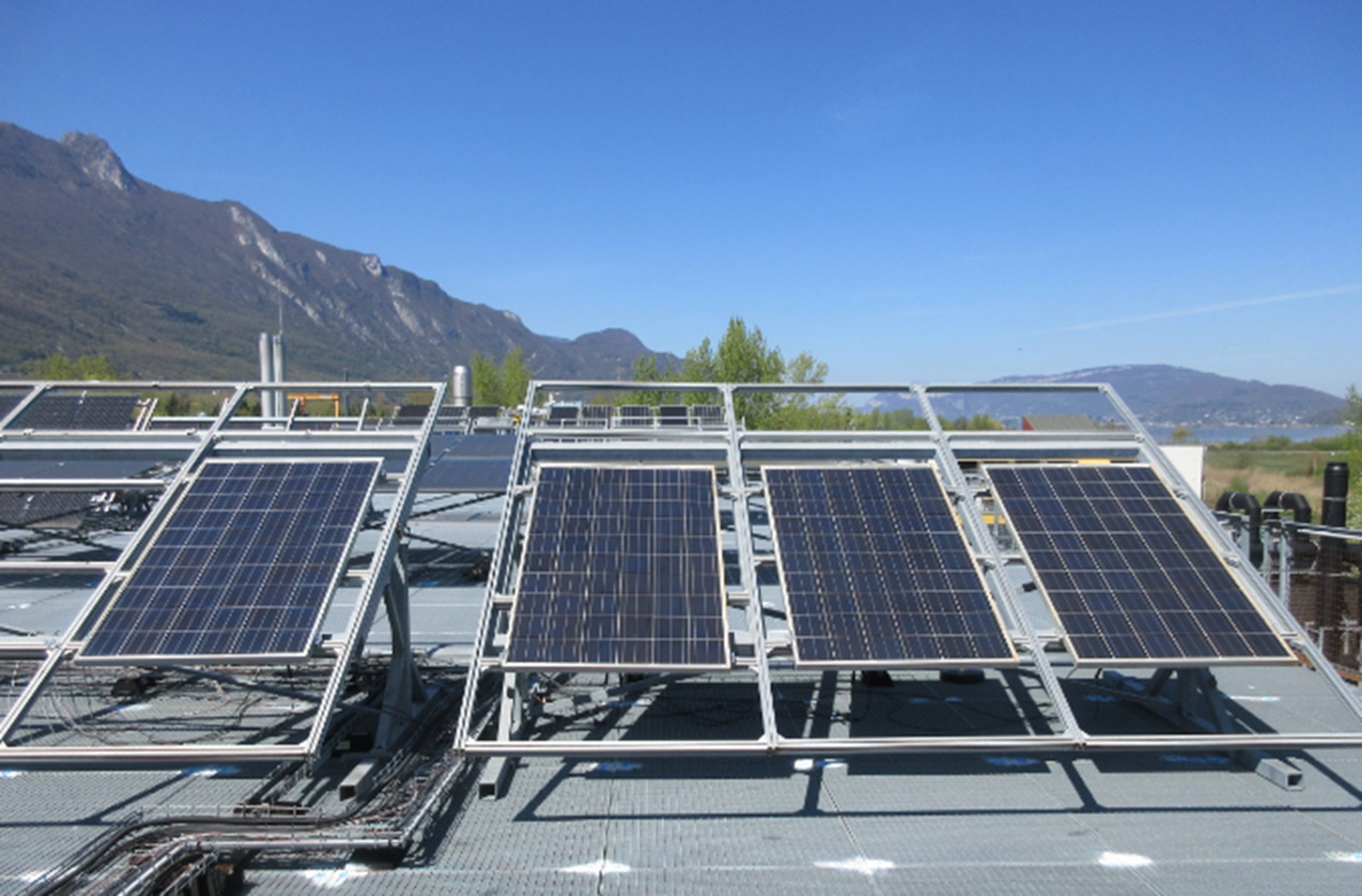
A group of researchers from CEA, together with representatives of Soren and Certisolis, examined hundreds of decommissioned PV modules originating from different operational contexts. Each module underwent individual assessment, using a qualification sequence that combined performance, diagnostic, safety tests and cross-data analysis. The methodology the SOLMATE research group proposed includes:
- visual inspection;
- flash testing to measure electrical performance;
- electroluminescence imaging to identify internal defects;
- high-voltage insulation testing (HiPot) to verify electrical safety.
Outdoor PV test configurator © Certisolis
After assessing more than 800 modules, the group can provide a more complete picture of module health, with some findings that could challenge assumptions The presence of cracks identified with electroluminescence imaging cannot be directly correlated with power loss or electrical insulation failures. Equally important, modules with acceptable power output could still fail safety requirements. These conclusions ‘build the case’ for the need to assess reuse potential using various tests.
A panel’s reuse potential can be lost long before qualification begins
The development of a rapid and efficient testing protocol is essential, but SOLMATE’s experience points to another challenge: the way modules are removed, packaged and transported following decommissioning.
The SOLMATE research group observed that careful dismounting, suitable packaging and adequate logistics can increase the number of modules that remain eligible for a second life. Numerous modules shipped to CEA partners for testing arrived with severe damage caused during dismantling or transport rather than degradation accumulated during years of operation.
Many decommissioned solar panels are still potential resources. Their reuse depends on their technical condition, but also on how they are treated once removed from service.
SOLMATE already addressed the topic and prepared a set of recommendations compiled in a guideline on how to safely dismount, pack and transport PV modules for second-life use.
chevron_right Download the guideline
Regulatory barriers add up on the technology and testing challenges. Under current European waste regulations, transporting used PV modules across borders can become synonym with administrative complexity. Once classified as waste, modules become subject to procedures that were primarily designed for recycling flows.
In SOLMATE, partners worked to reclassify qualified modules as used products, supported by documentation proving functionality and ownership transfer. This approach facilitated legal transportation, but not administrative work itself, revealing the need for regulatory frameworks that better accommodate reuse solutions.
The qualification protocol developed within SOLMATE contributes to a broader discussion currently shaping up across Europe: how to create a reliable, safe and scalable approach for PV module reuse. Although not treating the broader policy aspects, SOLMATE reveals a few aspects we need to accept if Europe wants to create place and space for reuse:
- a change of mindset is needed to address overconsumption, but also to prevent operational modules from reaching recycling immediately
- future reuse industries will depend as much on logistics, awareness and supportive frameworks as on technical testing itself
Meet SOLMATE at EU PVSEC in Rotterdam
Visitors attending EU PVSEC are invited to connect with representatives from CEA, SOREN and CERTISOLIS to discuss the qualification of second-life PV modules, practical challenges in module reuse, and the opportunities for building circular business models around solar energy systems.
For additional background on this topic, read our previous article: Second-life energy systems: Supply, testing and qualification of PV panels – Solmate, which explored the supply, testing and qualification of second-life PV modules.